Full Guide to Custom Cabinet Panels: Entry to High-End, One-Stop Material Selection

Custom cabinetry dominates home renovation for custom layouts, high space efficiency and balanced beauty & function. Panels, as core substrates, determine furniture’s eco-friendliness, lifespan, texture and total cost. Confused by countless panel types? This guide analyzes 5 mainstream panels covering features, prices, pros, cons and usage scenarios. It also offers budget/space/eco-based buying tips and construction reminders to help you pick ideal materials for your dream home.
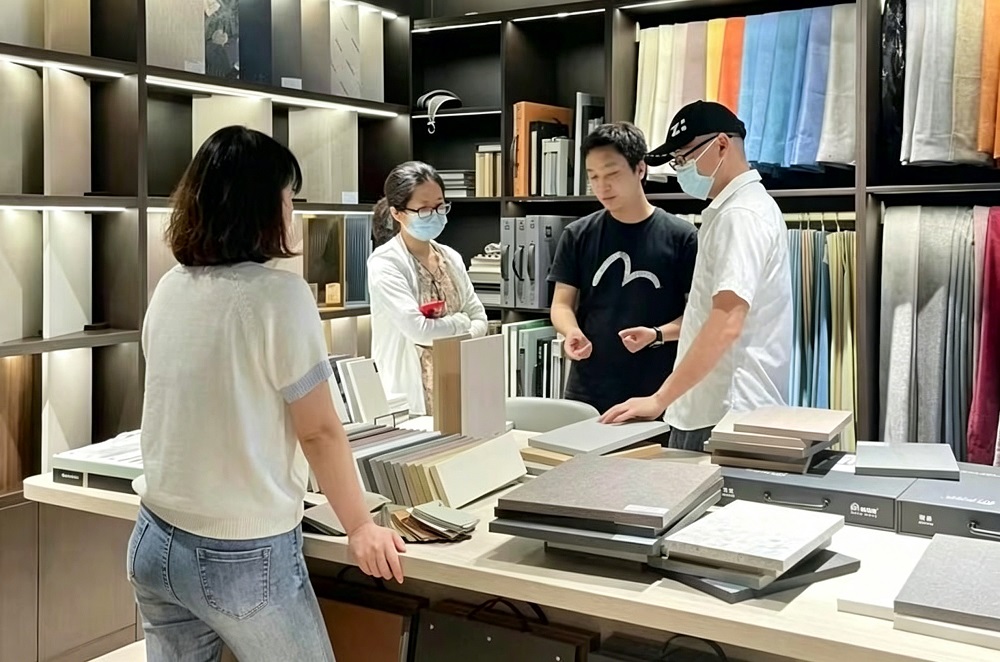
Custom furniture includes wardrobes, kitchen cabinets, bookcases, TV stands, bathroom vanities, etc. Four key standards for panel selection:
Eco-friendliness: Formaldehyde emission top priority for elders, kids and pregnant women.
Durability: Strength, moisture resistance and screw retention prevent deformation and loosening.
Appearance: Grain, color and finish must match overall home decor.
Cost-effectiveness: Pick affordable panels matching your budget to avoid overspending or shoddy materials.
The custom furniture market keeps expanding, making panel selection a major concern for homeowners and industry practitioners.
Made of wood scraps pressed with eco-adhesive, finished with melamine veneers. Most widely used budget panel.
Eco grade: E1 standard; mid-to-high brands offer low-formaldehyde E0/ENF grade.
Price: ¥100–200/㎡ (generic), ¥200–350/㎡ (premium).
Pros: Flat surface, rich veneer colors, stable structure for full-wall cabinets, low cost.
Cons: Poor moisture resistance, weak screw holding capacity, low load-bearing.
Application: Dry indoor areas like living room wardrobes and bookcases, modern minimalist style.
5–9 cross-laminated wood veneers glued together, sturdy for damp spaces.
Eco grade: Mainly E1; high-quality versions reach E0/ENF.
Price: ¥150–300/㎡ (standard), ¥300–500/㎡ (premium craft).
Pros: Anti-crack & anti-deform, waterproof/moisture-proof, strong load-bearing for floating cabinets.
Cons: Higher cost than particle board, uneven surface, heavier weight raising delivery costs.
Application: Kitchen, bathroom and balcony cabinets, Nordic & new Chinese styles.
Pressed ultra-fine wood fibers for intricate shaped doors.
Eco grade: Mostly E1; few E0/ENF options, always check test reports.
Price: ¥120–250/㎡ (basic), ¥250–400/㎡ (carved/thermoformed doors).
Pros: Ultra-smooth, flexible for carvings and irregular shapes, moderate price.
Cons: Swells severely when wet, soft with weak load capacity; cheap variants have high formaldehyde.
Application: Decorative cabinet doors for European & American vintage carved styles.
Natural solid timber cut and spliced with original wood grain, high-end exclusive material.
Eco grade: Zero formaldehyde raw wood; choose water-based paint for finishes.
Price: ¥500–2000/㎡, varies by wood type (oak, walnut etc.).
Pros: Premium natural texture, over 20-year service life, strong load-bearing for complex structures.
Cons: Very costly, prone to cracking with temperature/humidity changes, requires regular wax maintenance.
Application: Luxury villas, master bedrooms, private studies, new Chinese & classical light luxury styles.
Particle/plywood base covered with wear-resistant melamine veneers, eco-friendly and easy to clean.
Eco grade: E1 standard; premium types hit E0/ENF.
Price: ¥150–300/㎡ (regular), ¥300–450/㎡ (high-end).
Pros: Scratch-resistant, paint-free low toxin release, diverse veneers matching all decor styles.
Cons: Medium moisture resistance, relies on tight edge sealing, weaker load-bearing than plywood.
Application: Bedrooms and children’s rooms, modern minimalist & Nordic styles.
Entry (¥5,000–15,000): Particle board / melamine faced board, cost-effective for full-house storage.
Mid-range (¥15,000–30,000): Plywood / premium melamine board, ideal for humid southern regions.
High-end (Above ¥30,000): Solid wood for top texture, natural eco performance and long service life.
Damp zones (kitchen, bathroom, ground floor, balcony): Plywood to stop mold and deformation.
Closed living spaces (bedroom, kids’ room): E0/ENF melamine board or solid wood to control formaldehyde.
Dry public areas (living room, study): Particle board or MDF for large cabinets and shaped doors.
All panels comply with GB/T 39600-2021. Prioritize E0/ENF grades and request official third-party inspection reports. Ventilate new houses 3–6 months before moving in; water-painted solid wood shortens ventilation time.
Modern Minimalist / Nordic: Particle & melamine boards with light wood-grain veneers.
New Chinese / Classical: Solid wood with natural grain and water-based paint.
European / American Vintage: MDF for carved and irregular cabinet doors.
Material choice is only the start; craftsmanship, hardware and installation determine final quality:
Pick certified reputable brands, verify eco labels and 5–10 year warranties; avoid unlicensed workshops.
High-quality seamless edge sealing blocks formaldehyde and moisture; laser edge sealing outperforms hot melt glue.
Choose branded dampers and slides (Blum, Hettich) as core cabinet hardware for smooth long-term use.
Take precise measurements before installation; reserve vents and access panels, check flatness and seams post-installation.
Reference cost for 20㎡ cabinets: ¥10,000–30,000 (particle/melamine), ¥30,000–50,000 (plywood), ¥50,000–100,000 (solid wood). Plan budgets in advance to avoid hidden fees.
No universal “best” panel — only the most suitable one.
Budget-friendly daily use: Particle / melamine board
Damp environment & durability: Plywood
Custom carved designs: MDF
Luxury natural eco texture: Solid wood
Evaluate based on budget, space, family demands and decor style. Focus on eco grade, edge sealing and hardware to select eco-friendly, durable, attractive custom panels for a cozy safe home.
下一篇:
没有了!
Copyright © 2026 佛山市德勒严选家居科技有限公司 备案号:粤ICP备2026077842号-1